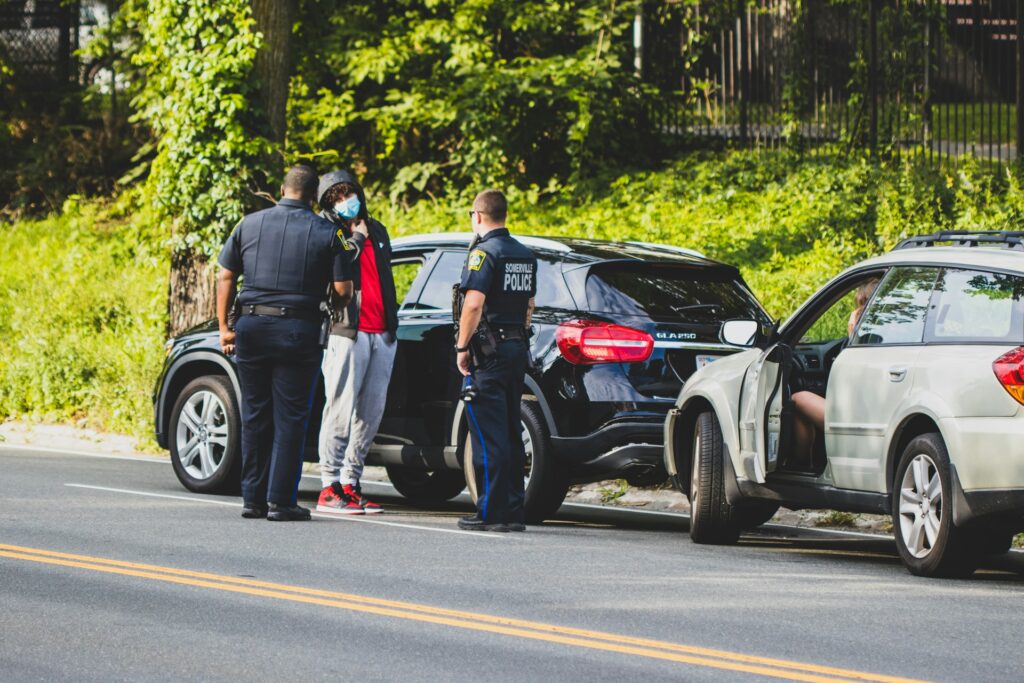
The Importance of Gathering Witness Statements Before Leaving the Scene
The Importance of Gathering Witness Statements Before Leaving the Scene
Why witness statements are your strongest evidence after a crash
The minutes after a car wreck leave everyone’s adrenaline pumping, nerves on edge, and sometimes even injuries to check on. Meanwhile, vehicles may be obstructing traffic. In that moment, the most powerful legal evidence you’ll ever possess is standing there on the street corner – and about to disappear.
Statements given by witnesses at the crash scene carry an evidentiary clout that statements gathered days or weeks later simply lack. Knowing why, and how to get them, can make the difference between whether your insurance claim is well substantiated or flounders.
The “excited utterance” exception and why timing matters
The rules of evidence include an exception to the hearsay rule that allows admission of an “excited utterance”. This is a spontaneous statement made by a declarant during the stress of excitement caused by the event that the statement describes. The idea is that such a statement is likely to reflect his or her actual perceptions of the event – the basis for why such an out-of-court statement is generally considered incompetent evidence in the first place.
This isn’t just a technicality – it reflects something real about how memory works. Witness accuracy can shift dramatically within the first few hours after a traumatic event. The person who saw a driver run a red light has that image clearly in their mind right now. Two weeks from now, they may remember it differently, or not at all.
Insurance adjusters know this. When they receive a recorded statement taken on-scene, they treat it differently than a written summary provided a month later. So does a judge. That’s why car accident attorneys in Chicago stress the importance of capturing witness accounts as early as possible.
What to collect and how to ask
Do not just ask for a telephone number. Ensure you also have the witness’s given name and physical address. Your attorneys will need to be able to find the person and get them in for a deposition, and if that can’t be accomplished, a subpoena will be necessary to compel testimony in court. A burned-out burner isn’t a lead, but a disconnected cell isn’t a viable means of locating your witness.
Asking questions like: “What did you see?” is perfectly legitimate but to make the responses meaningful you should ask a lot of open-ended queries. “How many vehicles were involved?” “Is there anything specific you recall noticing?” “Can you describe for me what the weather conditions were that day?” “Would you remember if someone was using a mobile phone?” These types of queries enable the individual to provide more details. More particulars make for a stronger affidavit and potentially a better witness.
Use your phone to record. A voice memo or short video clip captures the statement in the witness’s own words, with their inflection and emotion intact. Written police summaries, even well-intentioned ones, filter the language. The officer transcribes what they understood, not necessarily what was said. Your recording is direct evidence; a summary is someone else’s interpretation of it.
What witnesses catch that you probably won’t
When you’re in shock and in pain, you’re not capable of taking stock of everything going on around you. Uninvolved, objective witnesses frequently observe things that are completely overlooked by the people who are living through the situation.
A witness might have seen a driver glance at their phone just before hitting you. They might have witnessed a trucker struggling to stay in his lane while you were overtaking. These are the kinds of things that rarely make it onto an accident report unless they’re explicitly brought to the police’s attention – but they can completely alter who is legally responsible for the crash.
It’s particularly important if your case is liable to a contributory negligence defense, where an insurer claims you were partially to blame – an eyewitness who could set out the precise chain of events (who was where, what happened, in what order) makes that line of defense much weaker.
Protecting what you’ve gathered from erosion
Once vehicles are moved and witnesses leave, the scene is effectively gone. That loss of physical evidence – what’s sometimes called scene spoliation – can’t be undone. The statements you collect in the first 20 minutes are the record.
Cross-reference what witnesses tell you against any dashcam footage you or nearby vehicles may have captured. Consistency between sources strengthens credibility. Inconsistencies are worth noting, too, because they can reveal gaps or blind spots in each account.
If the situation involves serious injury or there’s likely to be a genuine dispute over what happened, an attorney can review what you’ve collected and identify whether any statements need follow-up before memories fade further or witnesses become unavailable. Local liability considerations often affect how witness evidence gets weighted during settlement, and having someone familiar with that process review your documentation early makes a real difference.
The window is short
For survivors dealing with injury claims and insurance disagreements, the difference between winning and losing can come down to the documents that were picked up in the first 60 minutes.
You’re not going to have time to read from points and remind yourself of key strategies when it all goes wrong; So just memorize this: Get names and addresses, record statements on your phone, ask where they were when it happened and don’t leave without at least two contacts.
The legal system gives you months to prepare a lawsuit. Evidence is collected in minutes.