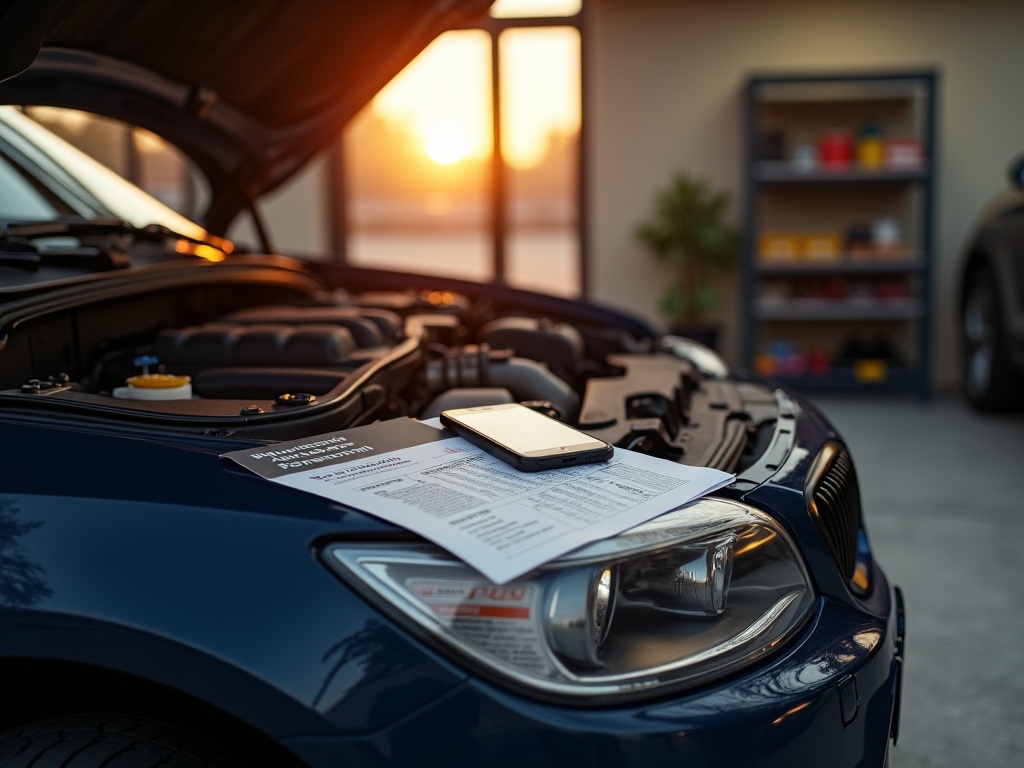
How To Determine Whether To Repair Your Current Car Or Purchase Another One
How To Determine Whether To Repair Your Current Car Or Purchase Another One
Every driver must consider this at some point in their lives. You get the call from the mechanic that your repair will cost $2,000, and suddenly, you find yourself entertaining whether putting that money towards a different vehicle makes more sense. There’s not always a clear answer to this, and to be honest, the "right" answer depends on circumstances most people don’t realize until they’re overwhelmed with the decision.
However, there’s merit to both sides. Often, it makes sense to keep what you’ve got and repair. Other times, it’s best to move on. Here’s how to determine which makes more sense for you.
Assessing Your Current Vehicle Situation
First, determine what your options truly are. What’s the mileage on the vehicle? What’s its condition besides this repair? For example, a 90K mile vehicle needing brakes and struts is a very different story than a 200K mile vehicle requiring a transmission overhaul.
Pro tip: If you’ve taken good care of your car and this is just one repair on the trajectory of routine maintenance, it doesn’t mean that your car is now going to fall apart. Cars need things replaced over time—it’s just part of their nature. Therefore, if someone can get a $2,000 repair on a car with 85,000 miles and good tread, good engine performance, etc., it’s often better to do that than assume they’ll get a replacement and know nothing about it.
People like to throw around the repair vs value ratio. If the repairs cost more than 50% of the value of the car, scrap it. That’s too simple. A $3,000 vehicle that needs a $2,000 repair is no good—but if that car can sustain functioning for another two years, then that’s two years without car payment. What’s $8,000 for a used car that will cause someone to sink more money into it for all the things the current owner could never figure out?
Numbers Don’t Lie
Calculate the value behind keeping your vehicle versus purchasing something else. Is your repair $2,500? That could start a payment cycle—and that’s before you consider how long you’re going to be paying for something else down the road.
But it’s not just a matter of starting payments. Repairs can keep your car on the road for another two years without any intention of major issues in the interim, because if you can get through two more years without issue, and it only cost you $2500, you’ve paid about $104 per month for keeping your comfort of use. Replacement means starting payments at $300-$500, plus higher insurance costs and potential pitfalls as someone else pays for someone else’s previous mistakes.
For parts and reliable components without dealership markup, Tony’s Auto Wreckers is an excellent solution to take to save on repairs. When every penny counts on keeping an older car up and running properly, reliable parts at an affordable price make a difference.
Pragmatic Considerations
Consider practical needs now that you’ve assessed your situation. Do you need your car to work at all costs? Do you commute 50 miles each way? Is this your second vehicle that you just need to start when necessary? Your tolerance for inconvenience matters.
A vehicle that’s three years paid off means there’s no payment attached—there’s value to that reality. With annual repairs between $1,000-$1,200 means that’s still better than $400 monthly payments (ignoring insurance increases with a newer vehicle).
On the other side, if you’ve allowed this vehicle to become unreliable in your mind and now you’re dreading taking it anywhere because you think you’ll be stranded, that creates a stress level with its own costs. Missing work because your vehicle won’t start or spending every Saturday trying to figure out why it won’t drive adds up to more than what makes sense with numbers. Sometimes it’s just better to move on.
Reasons to Move On
There are legitimate reasons why cars need replaceable vehicles: two systems working (engine + transmission) requires more investment than one replacement; if you’ve sunk thousands into repairs with no end in sight; continued issues within months of each other means you now have an unreliable car ready to go downhill faster than you can keep up with finances.
Plus, safety can become an issue regarding rust or frame compromises or faulty systems that prevent effective stop/start options based on brakes and accelerating—that’s a valid reason for replacement. Your vehicle should protect you and not make you feel like it’s jeopardizing your safety on the road.
Newer features should also be considered. If you’re lacking backup cameras or efficient engines compared to other newer models, and you plan on transporting children or anyone else for that matter, even for peace of mind alone it may be worth it to upgrade.
Making The Decision
Ultimately, do what is best for you financially. What does your financial picture look like? What’s accessible? Is there a cushion for emergency repairs? Can you afford a down payment AND now monthly payments? Sometimes holding onto a troublesome vehicle makes better sense for financial stability than investing elsewhere at this time.
Reach out to a trusted mechanic to gauge realistic expectations and ask them personally what they would do if it were theirs. If mechanics say it’s not worth saving but you’ve only put small amounts of money into it per year, then maybe let go of sentimentality and realize it’s time to move on.
Consider your time frame. If it’s easier to let this car run its course for another year until you save for better down payment options, then that’s better than rushing into something now before you’re ready. Buyers who are backed into corners rarely get what they want.
In the end, what’s best is ultimately what’s best at an affordable rate—whether it’s keeping what’s familiar or new-to-you—either option works if confidence accompanies the decision moving forward!