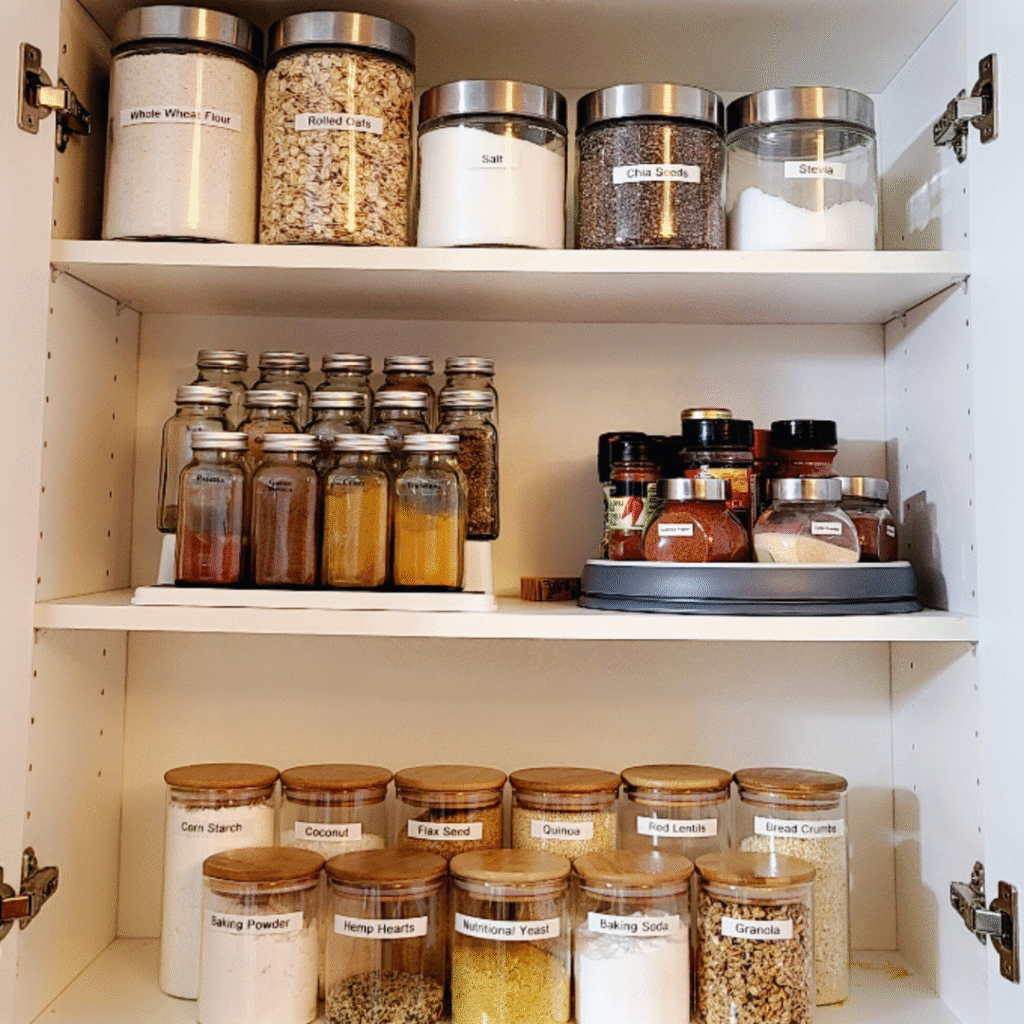
How to Organize Your Kitchen for Better Cooking Flow: Tips for Efficiency and Ease
A well-organized kitchen plays a crucial role in enhancing cooking flow, making meal preparation more efficient. To optimize kitchen organization, focus on grouping similar items together and keeping frequently used tools within easy reach. This approach not only saves time but also reduces stress, allowing for a more enjoyable cooking experience.
Utilizing cabinet space effectively and incorporating zones for different tasks can significantly improve the functionality of the kitchen. Designating areas for prep work, cooking, and cleaning can streamline the process and ensure that everything has a place. This intentional arrangement encourages a smoother workflow, making it easier to accomplish tasks without unnecessary interruptions.
Implementing simple organizational tools like drawer dividers, baskets, and magnetic strips can further enhance the kitchen’s efficiency. By creating a logical structure based on cooking habits, individuals can transform their kitchens into spaces that inspire creativity and productivity. A thoughtfully organized kitchen can lead to a better cooking experience and a greater appreciation for the culinary process.
Planning Your Functional Kitchen Layout
A well-planned kitchen layout enhances cooking efficiency. Key elements include understanding the kitchen work triangle and establishing defined zones. Attention to counter space also significantly affects the flow of the cooking process.
Understanding the Kitchen Work Triangle
The kitchen work triangle is a design principle that focuses on the triangular relationship between the sink, stove, and refrigerator. This setup minimizes movement and enhances efficiency.
Ideal Measurements:
- Each side of the triangle should measure between 4 and 9 feet.
- The total distance should ideally be between 13 and 26 feet.
Proper placement of these three elements allows seamless transitions. Minimizing steps between these stations creates a more functional cooking experience.
Defining Essential Kitchen Zones
A functional kitchen should be divided into specific zones to streamline activities. Key zones include:
- Preparation Zone: Includes cutting boards, knives, and mixing bowls close to the counter.
- Cooking Zone: Contains the stove and pots for easy access while cooking.
- Cleaning Zone: Features the sink, dishwasher, and waste bins, promoting efficient clean-up.
Zoning helps organize tools and utensils, reducing clutter and distractions. This organization leads to a smoother cooking flow and an enjoyable experience.
Optimizing Counter Space for Cooking Flow
Counter space plays a crucial role in kitchen functionality. Ample workspace should be available near the preparation and cooking zones.
Tips for Optimization:
- Use clear containers for ingredients to minimize time spent searching.
- Install pull-out shelves or drawers for easy access to utensils and pots.
- Keep frequently used items within arm’s reach.
Maintaining an organized counter reduces the risk of accidents and allows for multitasking. This attention to counter space significantly contributes to an efficient kitchen flow.
Streamlining Kitchen Organization for Efficient Cooking
Effective kitchen organization can significantly enhance cooking flow. By focusing on decluttering, utilizing storage solutions, and adapting small kitchens for efficiency, one can create a more functional space that aids in meal preparation.
Decluttering and Assessing Kitchen Items
A cluttered kitchen can hinder cooking efficiency. Begin by evaluating all kitchen items. Identify duplicates or items that are seldom used.
- Rule of thumb: If something hasn’t been used in the past year, consider donating or discarding it.
Create a system for categorizing items based on their usage. For instance:
- Daily use: Keep at the front.
- Occasional use: Store in less accessible locations.
- Unused items: Decide their fate.
Utilizing containers or trays can help group similar items, making it easier to locate them.
Maximizing Storage Solutions and Vertical Space
Storage solutions play a vital role in kitchen organization. Invest in storage containers that stack efficiently. Use clear containers to quickly identify contents.
Consider incorporating vertical storage options, such as wall-mounted shelves or hanging racks. This approach frees up counter and cabinet space. Utilize the backs of cabinet doors for small items like spices or utensils.
Creative storage hacks include:
- Magnetic strips for knives or spice jars.
- Tiered shelving for easy access to ingredients.
Use these strategies to create extra storage space without major renovations.
Organizing Small Kitchens for Maximum Efficiency
In small kitchens, every inch counts. Prioritize essential items and maximize the use of available space.
Corner cabinets can be fitted with lazy Susans for easy access to pots and pans. Drawer dividers help keep utensils organized.
Consider multi-functional furniture, like a kitchen island with storage or a foldable table.
Incorporating pull-out shelves or basket systems maximizes usability. With these strategies, it is possible to create a streamlined, efficient workspace conducive to cooking.
Arranging Kitchen Tools for a Smooth Cooking Experience
Efficient kitchen organization can significantly enhance the cooking experience. By thoughtfully positioning essential tools in distinct zones, meal preparation can be streamlined. This section explores how to optimally arrange kitchen tools in the prep, cooking, and cleaning zones.
Setting Up the Prep Zone with Essential Tools
The prep zone serves as the foundation for successful cooking. Here, major tools should be easily accessible. A good layout includes:
- Cutting Boards: Place them near the sink for easy vegetable rinsing.
- Knives: Store them in a magnetic strip or a knife block within reach.
- Mixing Bowls: Position bowls next to the cutting board for efficient ingredient transfers.
Ensure proper lighting to enhance visibility. Utilizing drawer organizers can help manage smaller kitchen utensils, such as measuring spoons and spatulas, thus keeping everything tidy. Mise en place, or having all ingredients prepped before cooking, should begin in this zone for a smooth workflow.
Optimizing the Cooking Zone for Meal Prep
The cooking zone is where the magic happens. It should be arranged for ease and accessibility. Key elements to consider include:
- Stove and Oven: Ensure these are close to the prep zone. This minimizes movement between zones.
- Frequently Used Kitchen Tools: Keep utensils like spoons, spatulas, and ladles in a container on the countertop.
- Pans and Pots: Hang or store them in an easily reachable cabinet.
Group similar items together, such as spices and oils, in a designated area to streamline cooking tasks. This zone should allow for quick access while simultaneously reducing unnecessary clutter. The focus here is on maintaining a clear work surface to allow for adequate space when preparing meals.
Designing an Efficient Cleaning Zone
The cleaning zone is often overlooked but is vital for kitchen efficiency. This area should be organized to facilitate quick clean-up. Essential components include:
- Cleaning Supplies: Store dish soap, sponges, and towels in close proximity to the sink.
- Trash and Recycling Bins: Position these near the cleaning zone for easy disposal of waste during meal prep.
- Dish Racks: Set up a dedicated space for drying clean dishes.
A well-organized cleaning zone helps maintain order in the kitchen. They should make it easy to transition from cooking to cleaning without disrupting the flow. This layout ensures that cleaning supplies are always at hand, fostering a seamless cooking environment.
Enhancing Everyday Kitchen Flow and Maintenance
Optimizing kitchen flow and maintenance is essential for an enjoyable cooking experience. A smart organization ensures that ingredients are easily accessible, and proper maintenance keeps the space functional.
Establishing Smart Pantry and Food Storage Solutions
Effective pantry organization is critical for quick meal preparation. Clear containers provide visibility, helping to locate items effortlessly. Labeling is also vital; it reduces time spent searching and simplifies inventory management.
Consider these storage tips:
- Group similar items: Keep grains, canned goods, and spices together.
- Use vertical space: Install shelves or stackable bins to maximize storage.
- Implement FIFO: Arrange newer products behind older items to minimize waste.
By utilizing these strategies, one can create a user-friendly environment that enhances cooking efficiency.
Maintaining Your Organized Kitchen
An organized kitchen requires continuous upkeep. Daily habits such as cleaning surfaces and putting away items promptly can prevent clutter. Weekly reviews of pantry contents can highlight expired items, ensuring inventory stays fresh and relevant.
Key maintenance strategies include:
- Daily cleaning: Wipe down counters and stow equipment after each use.
- Weekly organization: Spend time rearranging items that have been displaced during cooking.
- Monthly deep clean: Schedule thorough cleaning of shelves, appliances, and utensils to maintain hygiene.
These practices contribute to a seamless cooking environment, making culinary tasks more enjoyable.
Incorporating Cookbooks and Resources
Cookbooks can serve as both inspiration and guidance in the kitchen. Organizing them in a way that promotes easy access will greatly support the cooking flow. Designate a specific area, such as a shelf or a dedicated binder, for the most-used titles.
Consider these options for accessibility:
- Categorize by cuisine: Separate Italian, Asian, and baking recipes for quicker selection.
- Use bookmarks or tabs: Highlight favorite recipes to expedite finding them during meal prep.
- Digital resources: Utilize apps or websites that store recipes and create shopping lists.
Incorporating these materials efficiently enhances the cooking experience and enables the creation of culinary masterpieces.