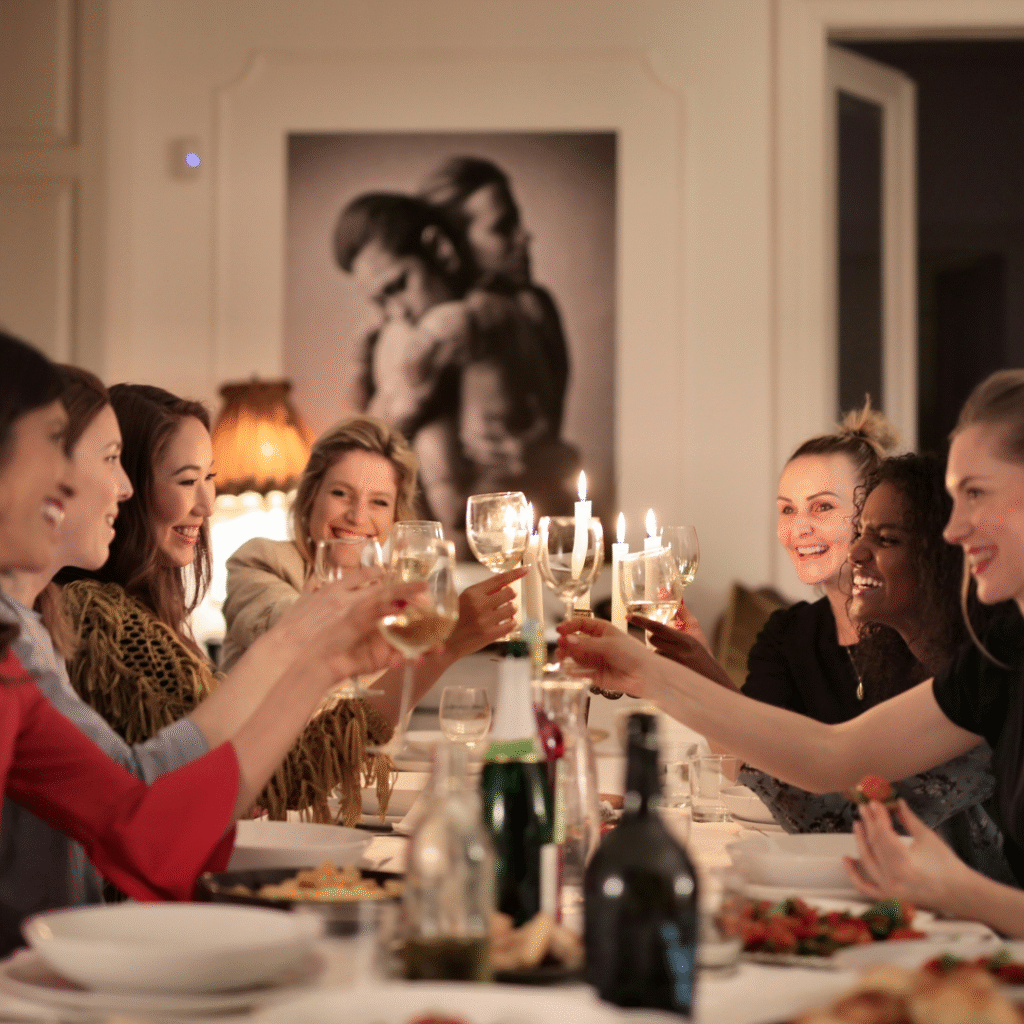
How to Plan a Special Meal for Life’s Big Moments: A Guide to Unforgettable Celebrations
A special meal can elevate any celebration, making moments even more memorable. Crafting the perfect dining experience for life’s big events involves careful planning, consideration of tastes, and attention to detail. Whether it’s a wedding, graduation, or milestone birthday, the right meal can create lasting connections and highlight the significance of the occasion.
Planning starts with understanding the theme and preferences of the guests. Incorporating personal touches, such as family recipes or favorite dishes, can bring a sense of warmth and familiarity to the gathering. Attention to presentation and ambiance also plays a crucial role in transforming a meal into an unforgettable experience.
Ultimately, the goal is to foster togetherness through food. The right combination of flavors, atmosphere, and thoughtful planning can turn an ordinary meal into an extraordinary celebration that resonates long after the last bite.
Setting the Stage for a Memorable Meal
Creating an unforgettable meal involves careful planning that encompasses the occasion, theme, and decorations. Each element plays a crucial role in enhancing the experience, ensuring that guests feel the significance of the moment.
Identifying Special Occasions and Their Significance
The first step is to recognize the special occasions that warrant a memorable meal. Significant events range from birthdays and anniversaries to graduations and holidays.
Understanding the importance of these moments fosters a deeper connection among guests. This connection can be reinforced by incorporating personal touches that reflect the individual stories behind the celebration.
Considering the feelings and traditions associated with each occasion guides decisions on the meal type and atmosphere. For example, a wedding anniversary might call for an intimate setting, while a graduation might celebrate achievements with a larger gathering.
Choosing the Perfect Theme and Atmosphere
Selecting a theme sets the tone for the meal, influencing everything from menu choices to table settings. Themes can be based on seasons, cultural traditions, or even favorite colors.
By aligning the menu with the theme, the meal becomes an integrated experience. For instance, a tropical theme might feature seafood dishes and vibrant fruits, while a winter celebration could include hearty comfort foods.
Lighting and music also contribute significantly to the atmosphere. Soft lighting can create intimacy, while upbeat music may enhance a festive mood. These elements unify the overall dining experience.
Selecting Meaningful Decorations
Decorations transform a space and enhance the event’s significance. Meaningful decorations might include items that reflect the guest of honor’s interests or mementos from shared experiences.
Table settings should harmonize with the theme and can include centerpieces that highlight key colors or textures. For instance, flowers can add a fresh touch, while candles can introduce warmth.
Incorporating personal elements, like photographs or handwritten place cards, fosters a sense of unity and connection among guests. This thoughtfulness elevates the meal from an ordinary gathering to a significant celebration.
Designing the Ultimate Menu
Creating a memorable meal hinges on thoughtful menu design. Prioritizing diverse flavors and comfort food can elevate any occasion. Highlighting signature dishes also brings a personal touch, ensuring the meal resonates with guests.
Curating Recipes for Different Tastes
When planning the menu, it is essential to curate recipes that cater to a range of preferences. Start with appetizers like stuffed mushrooms or charcuterie boards.
For the main course, consider options like herb-roasted chicken alongside a rich vegetarian chili. Including both meat and plant-based dishes ensures everyone finds something delicious.
Keep dietary restrictions in mind by labeling dishes that are gluten-free or nut-free. Offering variety and accommodating different tastes keeps the experience engaging for all diners.
Incorporating Comfort Food Favorites
Comfort food creates an atmosphere of warmth and nostalgia. Recipes like creamy mac and cheese or flavorful sausage and peppers resonate with many guests.
A classic lasagna can offer both heartiness and flavor, while a fresh garden salad provides a light counterpart.
Desserts should not be overlooked; options like chocolate cake or apple pie evoke fond memories and satisfy sweet cravings. Incorporating these favorites ensures guests feel relaxed and at home.
Adding Signature Dishes Like Pizza and BBQ
Including signature dishes like pizza and BBQ enhances the meal’s appeal. Pizza allows for customization, enabling guests to choose toppings that suit their tastes, from classic pepperoni to gourmet options like goat cheese and arugula.
BBQ brings a rich, smoky flavor to the table. Consider pulled pork or grilled ribs paired with tangy coleslaw.
These dishes also encourage sharing and community, making the meal feel more interactive. The combination of flavors and textures adds depth and enjoyment to the dining experience.
Crafting an Engaging Culinary Experience
Creating a memorable meal involves not just the food but also the atmosphere and interaction among guests. Personalization and the involvement of guests can elevate the experience significantly.
Personalizing with a Private Chef
Hiring a private chef can transform a meal into a unique event. A chef can tailor the menu based on dietary preferences, cultural backgrounds, and the significance of the occasion.
Benefits of a Private Chef:
- Expertise in various cuisines
- Customized menu planning
- Interactive cooking demonstrations
Guests can watch as the chef crafts each dish, sparking conversation and excitement. This culinary interaction fosters unity and creates lasting memories. A private chef takes the pressure off the host, allowing them to enjoy the occasion alongside their guests.
Involving Guests to Foster Togetherness
Engaging guests in the dining experience promotes a sense of community. Simple activities, like inviting guests to help with meal preparation or setting the table, can enhance involvement.
Ideas for Involvement:
- Cooking stations for guests to create their own appetizers
- Wine or drink pairing discussions
- Sharing stories related to the dishes served
These interactive elements break the ice and encourage guests to connect. When everyone participates, the meal transcends basic dining and becomes a shared celebration of life’s cherished moments.