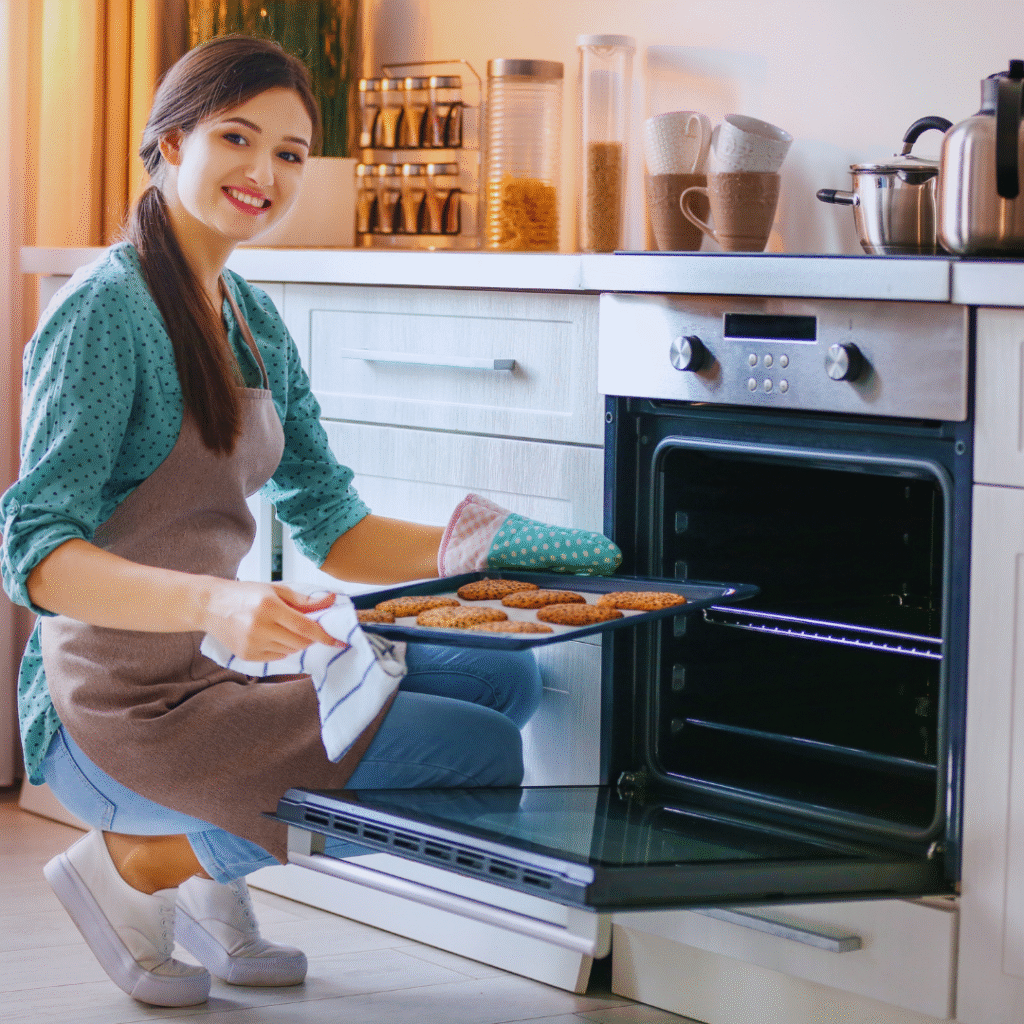
Baking Tips for Beginners: Essential Techniques to Get You Started
Baking can be an enjoyable and rewarding hobby for those just starting out. With a few essential tips, anyone can create delicious baked goods in their own kitchen. Understanding basic techniques, measuring ingredients accurately, and maintaining proper oven temperatures are key fundamentals that can significantly improve baking results.
Beginners often feel overwhelmed by recipes, but simplifying the process can lead to greater success. Starting with straightforward recipes and familiar ingredients allows for practice and builds confidence. Knowing how to prepare the workspace and select the right tools can make a substantial difference.
Mistakes are part of the learning process, and they present valuable opportunities for improvement. By focusing on essential skills and being patient, novice bakers can quickly enhance their abilities and enjoy the satisfaction of creating homemade treats.
Essential Baking Foundations
Baking successfully requires a mix of the right tools, understanding ingredients, and organization. Each element plays a crucial role in achieving desirable results in baking recipes.
Key Baking Tools and Equipment
Having the right tools can significantly influence baking outcomes. Essential items include:
- Measuring Cups and Spoons: Proper measurements are key. Using dry and liquid measuring cups helps ensure accuracy.
- Mixing Bowls: A variety of sizes allows for combining ingredients effectively.
- Hand Mixer or Stand Mixer: These tools facilitate mixing doughs and batters thoroughly.
- Baking Sheets and Bakeware: Options include metal, glass, or silicone. Each has different heat conductivity.
- Silicone Baking Mats and Parchment Paper: These prevent sticking and promote even baking.
- Oven Thermometer: This ensures the oven is at the correct temperature, as inaccuracies in oven settings can hinder results.
Understanding Ingredients and Their Roles
Ingredients each have specific functions that impact baked goods. Key ingredients include:
- Flour: Provides structure. Different types yield varying textures; all-purpose flour is versatile.
- Sugar: Adds sweetness and affects browning. Brown sugar can add moisture and flavor.
- Fats (Butter, Oil): Contributes to moisture and richness. Room temperature butter best integrates into mixes.
- Eggs: Aid in binding and adding moisture. They also provide structure.
- Leavening Agents (Baking Powder, Baking Soda): These create lift and lightness in baked goods. Knowing the right amounts is vital.
Using fresh ingredients boosts flavor and texture. Always ensure that eggs and dairy are at room temperature for optimal mixing.
Mise en Place: Organizing Before You Bake
Mise en place, meaning “everything in its place,” is a foundational technique for baking. Organizing ingredients and tools ahead of time streamlines the process.
Preparation steps include:
- Gather Ingredients: Check the recipe to have all items on hand.
- Pre-measure and Place: Measure out ingredients like flour, sugar, and liquids into separate bowls.
- Prepare Equipment: Set out all tools, including mixing bowls and baking sheets.
- Preheat the Oven: Starting this early ensures it’s ready when the batter or dough is prepared.
Following mise en place enhances efficiency, minimizes confusion, and helps ensure successful baking experiences.
Core Techniques for Baking Success
To achieve successful baking results, understanding core techniques is essential. Accurate measuring, proper recipe reading, effective mixing, and correctly preparing pans lay the foundation for any baking project.
Accurate Measuring Methods
Measuring ingredients accurately is crucial for baking. Using measuring cups and spoons ensures precision. For dry ingredients, one should spoon the ingredients into the cup and level it off with a straight edge. To measure liquids, one should use a liquid measuring cup and check the meniscus at eye level to avoid inaccuracies.
When substituting ingredients, it’s important to know equivalent measurements. For instance, 1 cup of brown sugar can be substituted with ¾ cup of white sugar mixed with ¼ cup of molasses. Keeping a conversion chart handy is beneficial to prevent baking missteps.
How to Read and Follow Recipes
Reading and following a recipe accurately is fundamental for consistent results. One should start by reading the entire recipe before beginning. This helps in understanding the process and gathering all necessary ingredients.
Next, it’s important to pay attention to details such as baking temperatures and times. A slight difference in time can affect the final product. Additionally, one should note any specific preparation steps, such as chilling dough or preheating the oven.
Mixing and Combining Ingredients
Proper mixing techniques can greatly influence the texture of the finished product. When combining dry and wet ingredients, one should mix just until combined to avoid overmixing. This is especially important for batters, where excess mixing can lead to dense baked goods.
Using the right mixing tools can also aid in achieving optimal results. A rubber spatula works well for folding ingredients, while a whisk is ideal for incorporating air into batters.
Greasing and Preparing Pans
Preparing the pan correctly is vital for easy release after baking. One should use grease to coat the bottom and sides of the pan, which prevents sticking. Butter, shortening, or non-stick spray are all effective options.
For an extra layer of protection, one might consider lining the pan with parchment paper. This creates a non-stick surface and makes for easier cleanup. Ensuring the pan is prepared properly contributes significantly to the success of one’s baking efforts.
Oven Best Practices and Finishing Touches
Understanding oven best practices is essential for achieving consistent results in baking. Attention to temperature, timing, and checking for doneness can significantly impact the final product. Below are key practices that every beginner should master.
Mastering Oven Temperature and Timing
Oven temperature is critical for successful baking. Each recipe specifies a temperature, which is best verified with an oven thermometer. This tool provides an accurate reading, as many ovens can be off by 25°F or more.
Preheating the oven ensures the baked goods rise correctly. Once preheated, it’s best to avoid frequently opening the oven door. This can cause temperature fluctuations, leading to uneven baking.
Timing is also vital. Setting a timer can prevent overbaking. Beginners should rely on the total bake time recommended in recipes, but each oven may vary slightly. Therefore, checking doneness a few minutes before the timer goes off is advisable.
How to Check for Doneness
Knowing how to check for doneness is a key skill in baking. For items like cakes, inserting a toothpick into the center is effective. If it comes out clean or with a few moist crumbs, the cake is usually done.
Cookies can be assessed by color and texture. They should be golden brown around the edges while still soft in the center. For breads, listening for a hollow sound when tapping the bottom indicates proper baking.
Tip: Utilize a food thermometer for items like meatloaf or bread, ensuring they reach the correct internal temperature. For precise results, refer to a baking chart for specific baked goods.
Preventing Common Baking Mistakes
Beginners often encounter common pitfalls that can ruin baked goods. One of the most frequent mistakes is ignoring oven temperature recommendations. Always verify with an oven thermometer to avoid inaccuracies.
Another mistake is overmixing batter, which can result in tough textures. Mixing until just combined is essential, especially for cakes and muffins.
Also, don’t skip the cooling phase. Removing baked goods from the pan too early can lead to crumbling. Allowing items to cool on a wire rack helps maintain their structure and prevents them from becoming soggy.
By applying these practices, baking becomes more manageable and enjoyable.