Creative Ways to Display Art in Small Spaces: Maximizing Aesthetic Appeal and Functionality
Small spaces present unique challenges for art enthusiasts looking to showcase their collections. Creative strategies can transform limited areas into striking displays that enhance the ambiance without overwhelming the environment. From using vertical space to selecting multi-functional furniture, there are numerous effective methods to elevate any room’s aesthetic.
Incorporating art into small living areas doesn’t require traditional framing or gallery walls. Techniques such as using shelves, clipboards, or hanging art from wire offer innovative solutions. These alternatives not only maximize space but also allow for easy rotation and updates to the decor.
Exploring unconventional display ideas opens up a new world of possibilities. With a little imagination and some practical tips, anyone can curate a personal gallery that reflects their style while making the most of every square foot.
Maximizing Wall Space for Art Display
Effective use of wall space can significantly enhance art display in small areas. Key methods include designing a gallery wall, utilizing vertical arrangements, and incorporating mirrors to increase visual interest.
Creating a Gallery Wall
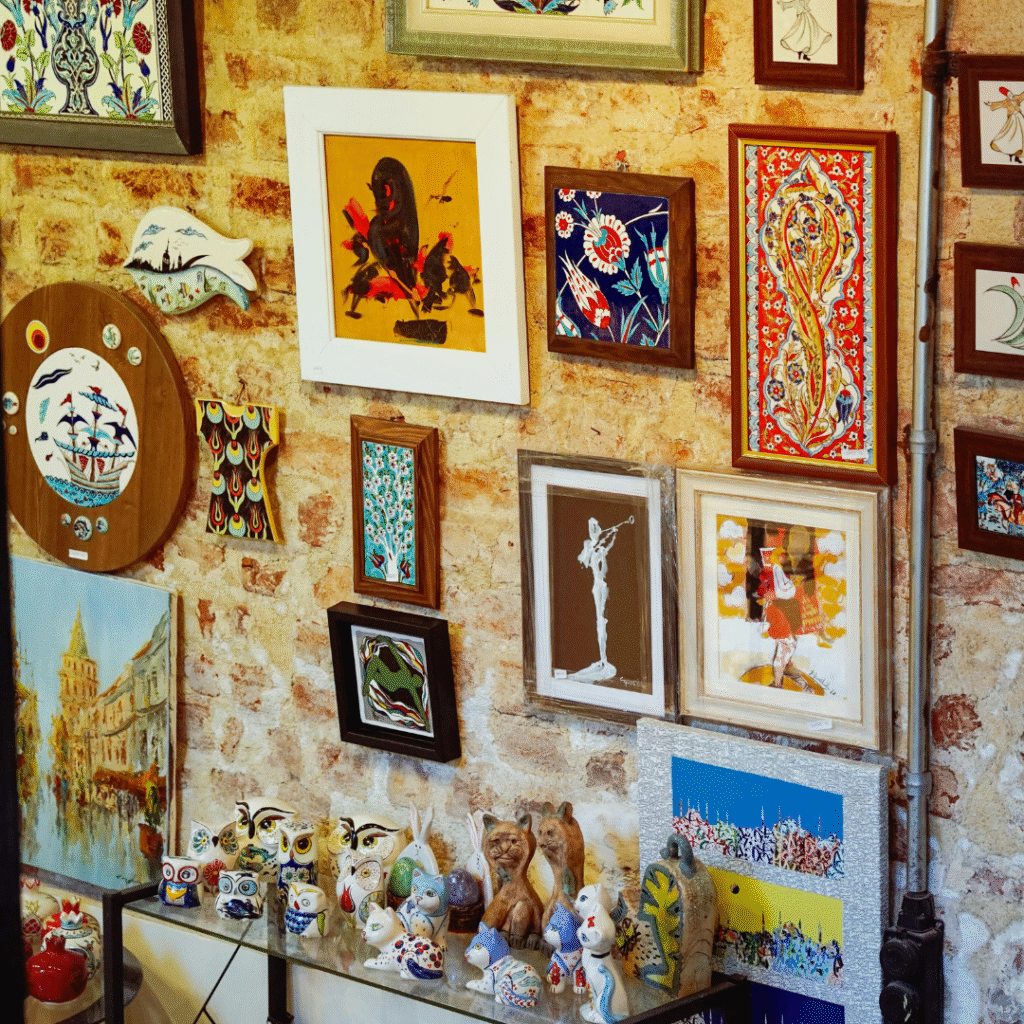
A gallery wall is an effective technique for showcasing multiple pieces of art in a confined area. To create this, select a cohesive theme, such as color or style, for the artworks.
Start by laying out the arrangement on the floor to visualize how the pieces will interact. This approach helps in making adjustments before actually hanging them.
Using various frame styles can also add depth. Consider mixing sizes and orientations, such as combining small and large pieces, to create an engaging visual narrative.
Utilizing Vertical Arrangements
Vertical arrangements maximize wall height and draw the eye upward, creating an illusion of spaciousness. This technique works particularly well in small rooms where floor space is limited.
Hang artworks in a column format or staggered rows to fill vertical space effectively. Using shelves can enhance this look by allowing for a combination of framed art and decorative objects.
Consider using tall, narrow pieces that can accentuate the vertical lines of the room. This approach not only showcases art but also enhances the overall design aesthetic.
Incorporating Mirrors for Visual Interest
Mirrors can serve as both decorative elements and practical tools for light management, creating the illusion of a larger space. Strategically placing mirrors across from windows reflects light, brightening the area and enhancing art visibility.
Incorporate mirrors framed in artistic styles that complement the displayed pieces. Alternating between art and mirrors can create an engaging rhythm on the wall.
This technique also adds versatility, allowing for rotations of artworks and ensuring the display remains fresh and captivating. Mixing mirrors and art enables a dynamic, visually stimulating environment.
Innovative Uses of Shelves and Ledges
Creative shelving solutions can enhance the visual appeal of small spaces while maximizing art display options. Picture ledges and kitchen shelves serve as functional platforms for showcasing art without overwhelming the room.
Displaying Art on Picture Ledges
Picture ledges provide an excellent opportunity for displaying art in a versatile manner. They allow for easy rearrangement, making it simple to update the look when desired.
He or she can choose different art sizes, layering smaller pieces in front of larger ones for depth. Using frames of varying styles can create an eclectic look, while uniform frames provide a more cohesive aesthetic.
Incorporating 3D objects along with framed art can add dimension. A small sculpture or plant can complement the artwork and enrich the visual experience without taking up too much space.
Styling Kitchen Shelves with Art
Kitchen shelves are often underused for art display. By integrating art pieces with kitchen essentials, one can achieve a unique and personal touch.
Art prints can be placed against the back of the shelves. This can balance functionality and decor without cluttering the space.
Mixing art with cookbooks and decorative jars can create an inviting atmosphere. Consider using small art pieces that reflect culinary themes or local artworks to enhance the kitchen’s character.
Arrangement matters; placing art at eye level ensures visibility and appreciation for both culinary and artistic displays.
Choosing Frames and Arrangements for Small Spaces
Selecting the right frames and arranging artwork thoughtfully can maximize visual interest without overwhelming a small space. Key factors include frame style, symmetry in placement, and leveraging odd numbers to create balance.
Selecting Slim and Minimalist Frames
Slim frames or minimalist options are ideal for small spaces. They offer a sleek appearance that doesn’t dominate the visual field, allowing the art itself to shine.
Considerations:
- Choose frames that complement the style of the artwork.
- Materials: Metal or thin wood can enhance a modern aesthetic.
- Use neutral colors like black, white, or natural wood to maintain a clean look.
These frames allow for easy pairing with various artworks. For a cohesive look, select a consistent frame style, which creates uniformity in small areas.
Using Symmetrical Arrangements
Symmetrical arrangements lend a sense of order and calmness to small spaces. She emphasizes the importance of aligning frames either vertically or horizontally to create visual balance.
Tips for symmetry:
- Position pairs of frames on either side of focal points, such as a piece of furniture.
- Maintain equal spacing between frames for a polished appearance.
This method works well for gallery walls or standalone pieces. Symmetry also guides the eye, making a smaller room feel organized and spacious.
Arranging Art in Odd Numbers
Arranging artworks in odd numbers often results in a more visually appealing composition. This technique can create dynamism and a focal point that draws attention.
Implementing odd numbers:
- Group art in clusters of three, five, or seven pieces.
- Vary frame sizes within the group to enhance visual interest.
Consider a combination of different-sized frames that align with the room’s color scheme. By doing so, the arrangement feels cohesive without being monotonous, enhancing artistic expression in compact environments.