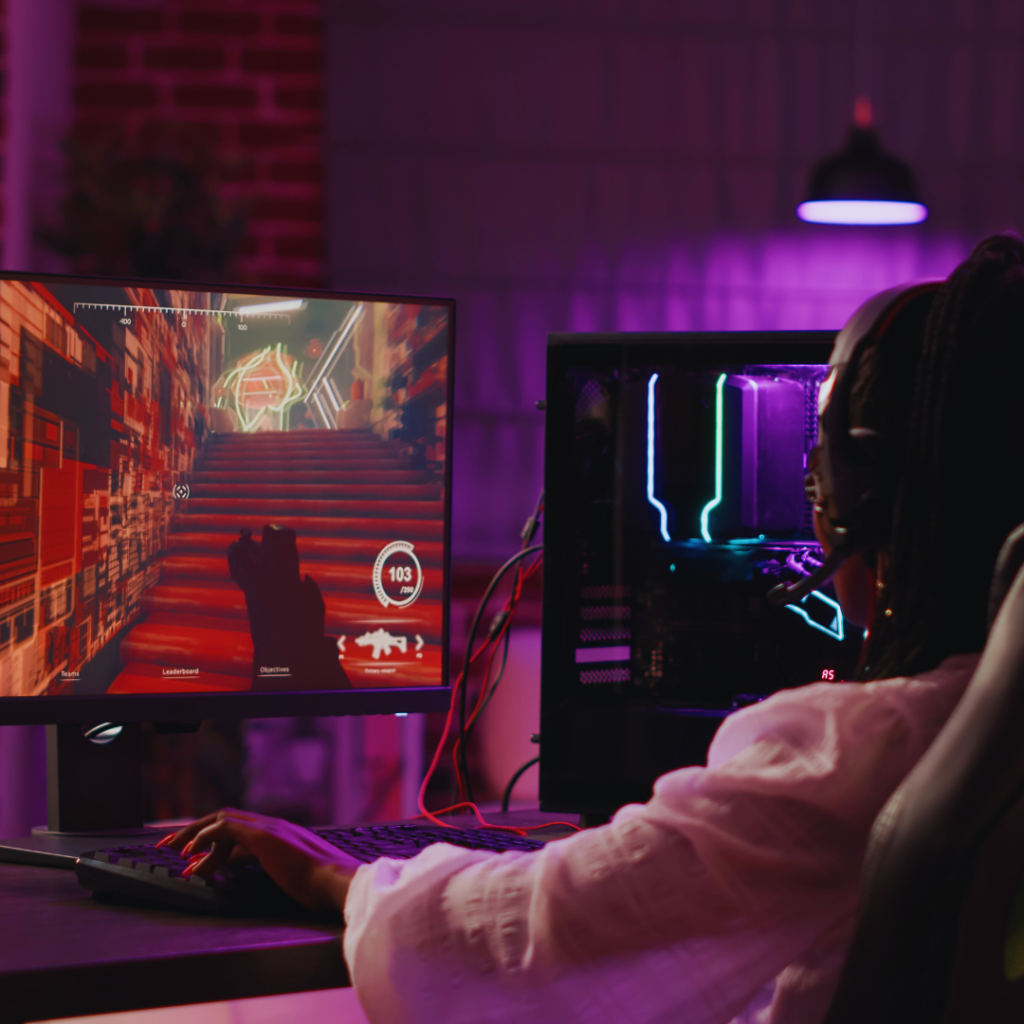
Gaming Room Setup: Essential Tips for Creating Your Ultimate Gaming Space
Creating the perfect gaming room setup transforms gaming from a casual hobby into an immersive experience. A well-designed space enhances comfort, efficiency, and enjoyment, which can significantly impact gameplay and focus. The key to a successful gaming room setup lies in combining the right equipment, ergonomic furniture, and personal flair to cater to individual preferences.
Understanding the essentials of a gaming room is crucial. Key components include an appropriate gaming desk, a high-quality monitor, and a comfortable chair. Additionally, optimizing lighting and sound can elevate the overall atmosphere, making it conducive for extended gaming sessions.
Ultimately, it’s about finding a balance that suits personal style and enhances the gaming experience. Whether one prefers sleek modern aesthetics or a cozy, themed environment, the goal remains the same: to create a space that feels just right for gaming.
Essentials of a Gaming Room Setup
A well-planned gaming room enhances the gaming experience. Key essentials include:
- Gaming Chair: Comfort is crucial. A supportive chair can improve posture and reduce fatigue.
- Desk: A sturdy desk offers ample space for equipment and accessories. Choose one that fits the room size.
Essential Equipment
| Item | Purpose |
| Monitor | Provides clear visuals for gameplay. |
| Console/PC | Central device for gaming. |
| Headset | Enables effective communication with teammates. |
| Keyboard & Mouse | Essential for PC gaming performance. |
- Lighting: Proper lighting sets the atmosphere and reduces the strain on the eyes. LED strips or smart bulbs allow control over brightness and color, enhancing immersion. Adjustable or dimmable lights help adapt to different games and times of day. Balanced lighting also improves visibility for streaming or recording. If you’re planning to upgrade your lighting setup, consider consulting electrician services St. Paul MN, for instance, to ensure proper installation and avoid potential electrical issues.
- Soundproofing: Soundproofing helps to minimize distractions, therefore one consider acoustic panels. They improve the sound quality and reduce external noise. It also enhances in-game sound quality, especially for shooters or immersive RPGs. It helps in focus, privacy, and immersive gameplay or streaming.
- Organization: Storage solutions like shelves or cabinets keep the area tidy. This maintains a focus on gaming rather than clutter. Cable management, shelves, and storage bins keep gear tidy and accessible. This helps one protect equipment from damage or overheating. It also makes cleaning and upgrades much easier.
- Internet Connection: A fast, stable internet connection is crucial for online gaming and streaming. It reduces lag, ping spikes, and disconnections, keeping you competitive. A wired Ethernet is best, but strong Wi-Fi with a good router can work too. It is essential for voice chat, updates, and cloud-based games.
- Room Temperature: A good gaming room setup should have an optimum temperature to keep the heavy and high-tech devices cool. An efficient AC can keep the room temperature optimal. In situations where the AC stops working, it is essential to get professional help such as this Lafayette, LA AC repair or elsewhere so that the devices are not in a hot and humid environment.
In summary, the right combination of comfort, technology, and organization creates an optimal gaming environment. Prioritize these essentials to enhance the gaming experience.
Choosing the Right Gaming Desk
Selecting the right gaming desk is crucial for creating an efficient gaming environment. A suitable desk enhances comfort and performance during long gaming sessions.
Consider the Size
- Measure the available space in the gaming room.
- Ensure the desk fits comfortably without crowding the area.
Ergonomics Matter
- Look for adjustable height options.
- A desk with a comfortable height helps maintain good posture.
Material and Build Quality
- Choose durable materials like solid wood or metal.
- A sturdy build prevents wobbling, especially with multiple monitors.
Cable Management
- Opt for desks with built-in cable management features.
- Keeping cables organized reduces clutter and enhances aesthetics.
Aesthetic Compatibility
- Consider the overall design of the gaming room.
- Choose a desk that complements the color scheme and style.
Storage Options
- A desk with drawers or shelves can enhance organization.
- Having storage for gaming accessories reduces mess and saves space.
By focusing on these aspects, she can find a gaming desk that meets her needs and enhances her gaming experience.
Selecting a Comfortable Gaming Chair
Choosing the right gaming chair is crucial for an enjoyable gaming experience. Important factors include ergonomics, adjustability, materials, and durability. These elements contribute to both comfort and long-term health during extended gaming sessions.
Ergonomics and Adjustability
A gaming chair should support the body’s natural posture. Look for features like adjustable seat height, lumbar support, and armrests. These elements allow customization to fit individual body types.
Consider models with reclining features. A chair that can tilt back provides better support for the spine during long play sessions. A fixed chair may lead to discomfort over time.
A well-designed ergonomic chair promotes blood circulation. This can prevent fatigue and strain, particularly in the lower back and neck. Testing different settings before purchase helps ensure it meets specific needs.
Material and Durability
The choice of material influences both comfort and longevity. Chairs can be made from faux leather, fabric, or mesh.
Faux leather is easy to clean and offers a sleek look. However, it may not breathe as well as other materials. Fabric chairs provide better airflow and comfort but can stain more easily.
Mesh materials offer breathability and support but need to be checked for quality.
Durable construction is critical. Look for sturdy frames made of metal or wood. Reinforced stitching and high-density foam are indicators of a long-lasting chair. Researching product reviews can provide insights into durability and user satisfaction.
Optimizing the Gaming PC or Console
For an enhanced gaming experience, attention must be given to both PC specifications and console models. The right equipment can significantly impact performance and enjoyment.
PC Specifications for Gaming
When optimizing a gaming PC, specific hardware components play crucial roles. Start with the graphics card (GPU), which directly influences visual quality. Current recommendations include models like the NVIDIA GeForce RTX 30 series or AMD Radeon RX 6000 series.
Processor (CPU) is also vital; a strong CPU like the AMD Ryzen 5000 series or Intel’s 12th Gen i7 ensures seamless gameplay. RAM should typically be at least 16 GB, while opting for fast SSD storage can reduce load times. A PSU that meets the needs of these components is essential for stability.
Cooling solutions are necessary for maintaining performance during long sessions. Users should consider air coolers or liquid cooling systems based on their setup and environment.
Console Models and Features
For console gamers, choosing the right model is paramount. The latest generation consoles such as the PlayStation 5 and Xbox Series X offer impressive performance. They support ray tracing and 4K gaming, enhancing graphics significantly.
Storage becomes important too; models with SSD technology provide faster load times. Accessories like extra controllers and VR headsets can elevate the gaming experience.
Regular software updates are vital for both consoles and games, ensuring better functionality and new features. With these considerations, a gamer can maximize the potential of their console.
Display Technology
Choosing the right display technology significantly impacts the gaming experience. Key considerations include the type of display (monitors or projectors) and specifications like resolution and refresh rates.
Monitors vs. Projectors
Monitors and projectors offer distinct advantages and disadvantages for gaming setups. Monitors typically provide better image clarity, faster response times, and higher refresh rates. They are available in various sizes, often ranging from 24 to 49 inches.
Projectors can create a large screen experience that can enhance immersion, particularly in spacious rooms. They require a suitable surface and can struggle with ambient light, affecting visibility. Connectivity options, such as HDMI and DisplayPort, should also be taken into account when selecting either display type.
Comparison Table:
| Feature | Monitors | Projectors |
| Image Clarity | High | Variable |
| Size | Small to large | Large |
| Response Time | Faster | Slower |
| Setup Space | Compact | Requires more space |
Resolution and Refresh Rates
Resolution and refresh rate significantly contribute to gaming visuals. Common resolutions include 1080p (Full HD), 1440p (QHD), and 4K. Higher resolutions provide improved detail and clarity, especially on larger screens.
Refresh rates, measured in hertz (Hz), indicate how many times the display refreshes per second. A higher refresh rate, such as 120Hz or 144Hz, results in smoother motion, enhancing competitive gaming. This becomes particularly important in fast-paced genres like first-person shooters.
When selecting, it’s crucial to match the monitor’s refresh rate with the capabilities of the gaming console or PC for optimal performance. Compatibility and the need for appropriate cables, such as HDMI 2.1 for 4K at higher refresh rates, should also be considered.
Advanced Audio Solutions
A well-designed gaming room benefits significantly from advanced audio solutions. High-quality sound systems enhance immersion and clarity, making the gaming experience more enjoyable and engaging.
Surround Sound Systems
Surround sound systems create a three-dimensional auditory experience, which can significantly improve gaming immersion. These systems typically consist of multiple speakers arranged around the gamer, providing directional sound.
Key components of a surround sound setup:
- Receiver: Acts as the central hub for audio input and output.
- Speakers: A combination of front, rear, and subwoofer speakers is ideal.
- Audio formats: Dolby Atmos and DTS enhance spatial audio capabilities.
Setting up a surround sound system involves careful placement of speakers to achieve optimal acoustics. Positioning them at ear level and equidistant from the listening position can create the best experience.
Headsets and Sound Bars
Headsets offer a personal audio solution that can deliver high-fidelity sound directly to the user’s ears. They often come equipped with a microphone for in-game communication.
Benefits of gaming headsets include:
- Noise isolation: Block out external sounds for focused gameplay.
- Spatial awareness: Advanced models offer surround sound, enhancing positional audio detection.
Sound bars provide a compact alternative for those with limited space. They can simulate surround sound and are easy to set up.
Key features to consider:
- Connectivity: Look for Bluetooth or optical inputs for versatility.
- Audio clarity: Ensure it has a decent frequency range to render detailed audio.
Both options offer significant advantages, depending on the gaming setup and personal preference.
Lighting and Ambience
Creating the right lighting and ambiance is crucial for an effective gaming room setup. Proper lighting enhances focus, sets the mood, and can even improve gaming performance.
RGB Lighting
RGB lighting has become a popular choice for gaming rooms. This type of lighting allows for the customization of colors to suit personal preferences or match the game being played.
Key Benefits:
- Mood Enhancement: Different colors can evoke various emotions, making gaming experiences more immersive.
- Syncing Options: Many RGB lights can sync with in-game actions or music, creating dynamic visual effects.
Players can choose from LED strips, smart bulbs, or dedicated RGB panel designs. Careful placement behind monitors or around the room can reduce glare while providing that sought-after gaming aesthetic.
Natural and Artificial Light Balance
Balancing natural and artificial light is vital for reducing eye strain and enhancing focus. Natural light can be a great addition, improving overall mood and energy levels.
Considerations:
- Window Placement: Positioning the gaming desk near windows allows for natural light without causing screen glare.
- Layered Lighting: Combining ambient, task, and accent lighting creates depth.
Using adjustable window treatments helps control light levels during different times of the day. It is essential to ensure that artificial light sources, like desk lamps, do not overpower natural light, preserving a comfortable gaming environment.
Customization and Style
Creating a personalized gaming room can significantly enhance the gaming experience. Both aesthetic choices and practical items influence comfort and immersion.
Thematic Decoration
The thematic decoration involves choosing a style that reflects personal interests. Whether it’s a favorite game, genre, or color scheme, these elements bind the room together.
- Color Palette: Opt for colors that evoke the gaming environment. Dark tones with accent colors can create an immersive atmosphere. For a retro feel, consider pastel shades.
- Wall Art: Posters, wall decals, or framed artwork can showcase favorite characters or landscapes. This can be complemented with LED strips to enhance lighting and mood.
- Furniture: Themed furniture, such as gaming chairs inspired by existing game designs, adds character. Accessories like cushions and rugs featuring game logos boost comfort and style.
Functional Accessories
Functional accessories contribute to both comfort and organization. These items support gaming activities and add a personal touch.
- Cable Management: Use cable sleeves or clips to keep cords organized. This not only reduces clutter but also maintains the aesthetic appeal of the room.
- Storage Solutions: Games, controllers, and peripherals require dedicated space. Shelves, drawers, or gaming towers can keep the area tidy while showcasing the collection.
- Lighting: Adjustable lighting enhances gameplay. Philips Hue bulbs or smart lights allow customization to sync with in-game actions. Pairing task lighting with ambient glow optimizes the setup for gaming.
Cable Management Strategies
Effective cable management enhances both the aesthetics and functionality of a gaming room. It prevents tangles and makes it easier to access devices.
- Use Cable Ties: Cable ties are simple yet effective. They keep cords bundled together, reducing clutter.
- Cable Sleeves: These can encase multiple cables, hiding them from view. They are available in various colors and materials.
- Adhesive Clips: These clips can be attached to walls or furniture. They guide cables along surfaces, keeping them in place.
- Raceways: Raceways are channels that conceal cables. They are useful for large setups where multiple wires need to be managed.
- Labeling: Labeling cables helps identify connections easily. This can save time during troubleshooting or rearrangement.
- Power Strips with USB Ports: These provide organization and ensure devices charge efficiently. They eliminate the need for multiple chargers.
- Wall-mounted Shelves: By elevating consoles and equipment, these shelves free up floor space. Cables can be routed behind them for a cleaner look.
Implementing these strategies leads to a neater and more organized gaming room. Each method can be tailored to fit individual setups, preferences, and space constraints.
Networking for Seamless Connectivity
For a gaming room setup, reliable networking is essential for smooth gameplay. This includes understanding the differences between wired and wireless networking, as well as the necessary internet speed for gaming.
Wired vs. Wireless Networking
Wired networking generally provides a more stable and faster connection than wireless. Using Ethernet cables minimizes latency and packet loss, which are crucial for competitive gaming.
Benefits of Wired Networking:
- Higher speeds (up to 10 Gbps with modern Ethernet standards)
- Lower latency, ideal for real-time responsiveness
- No interference from other wireless devices
Wireless networking, while convenient, can introduce variability. Factors like distance from the router and physical obstructions can affect performance.
Advantages of Wireless Networking:
- Easy to set up and requires no cabling
- Flexibility in device placement
- Supports multiple devices without additional hardware
Internet Speed Requirements
When selecting an internet speed for gaming, it is important to consider both upload and download speeds.
For most online gaming, a minimum of 25 Mbps download and 5 Mbps upload is recommended. However, faster speeds, such as 50-100 Mbps, provide a buffer for multiple devices and streaming.
Recommended Internet Speed for Various Activities:
- Casual gaming: 25 Mbps
- Competitive gaming: 50 Mbps or higher
- Streaming game content: 100 Mbps or higher
Latency (measured in milliseconds) is equally important. A latency of 20-40 ms is typically acceptable; anything above 100 ms may cause issues. Investing in a quality router and ensuring optimal placement can significantly enhance performance. Since internet speeds and stability can vary, consulting your Internet Service Provider (ISP Company) about the best plan for gaming can help prevent lag and interruptions. Many providers may offer specialized gaming packages or fiber-optic connections, which deliver lower latency and more reliable speeds. Adjusting your router’s settings and limiting background data usage can further optimize performance.
Gaming Room Maintenance
Maintaining a gaming room involves regular cleaning and technical troubleshooting to ensure an optimal experience. Attention to these aspects can help extend the lifespan of equipment and provide a more comfortable environment for gaming.
Cleaning Routines
Regular cleaning is essential to maintain both the aesthetics and functionality of a gaming room. Dust and debris can accumulate on surfaces, affecting devices and peripherals.
Important Cleaning Tasks:
- Dusting Surfaces: Use microfiber cloths to wipe down shelves, consoles, and monitors, preventing the build-up of dust.
- Cleaning Peripherals: Keyboards and mice should be cleaned with compressed air and wipes designed for electronics.
- Floor Care: Vacuum carpets or sweep hard floors to avoid dirt accumulation that can disrupt the gaming atmosphere.
Setting a routine cleaning schedule, such as weekly or bi-weekly, helps maintain a clutter-free environment.
Technical Troubleshooting
Understanding basic technical troubleshooting can alleviate many common issues players face. Quick fixes can often resolve problems without extensive downtime.
Common Troubleshooting Steps:
- Connectivity Issues: Restart the router and reconnect devices if experiencing network latency or disconnections.
- Hardware Problems: Check for loose cables and ensure all connections are secure; reseating components may resolve issues.
- Software Updates: Regularly update game software and drivers to prevent performance issues and maximize compatibility with peripherals.
Keeping a checklist of troubleshooting steps and solutions handy can streamline the gaming experience when technical difficulties arise.