How to Turn Your Home into a Creative Space: Simple Tips for Inspiration and Productivity
Creating a creative space at home can significantly enhance productivity and inspire new ideas. By prioritizing functionality and personal expression, individuals can transform their living environment into a hub of creativity. Simple changes, such as incorporating art supplies, setting up a distinct workspace, and adding inspiring decorations, can make a substantial difference.
For many, a cluttered environment can stifle creativity. By decluttering and organizing their space, they can create a more inviting atmosphere that promotes artistic endeavors. Adding personal touches that reflect passions and interests can further encourage engagement with creative projects.
Lighting plays a crucial role in establishing the right mood for creativity. Natural light or strategically placed lamps can make a space feel more vibrant and welcoming. With the right adjustments, anyone can cultivate a home that fosters creativity and encourages innovative thinking.
Designing Your Creative Space
Creating an effective creative space involves thoughtful planning and consideration of location, natural light, and how to achieve a visually appealing and functional environment. Each decision contributes to the atmosphere and functionality of the space.
Choosing the Ideal Location
Selecting the right spot in a home is crucial for a creative environment. Ideally, it should be a place with minimal distractions, allowing for focused work. Practical factors like access to electrical outlets and good ventilation also play an important role in enhancing usability.
However, before turning any of these areas into a functional workspace, it’s important to ensure the space is safe, clean, and suitable for regular use, especially when it comes to attics or basements. These spaces should be thoroughly inspected and properly prepared before being repurposed.
For example, attics that haven’t been used for a long time can sometimes become home to unwanted creatures like squirrels. In such cases, hiring squirrel pest control experts promptly can help remove them safely and ensure the space is secure, hygienic, and ready for use.
Maximizing Natural Elements
Natural light plays a significant role in a creative space. Spaces with large windows create a sense of openness and can help regulate mood and productivity.
Incorporating natural elements like plants can improve air quality and aesthetics. Consider using luxury vinyl planks for flooring, as they mimic natural materials while providing durability and ease of maintenance.
To further enhance the use of natural light, use reflective surfaces, such as mirrors, to bounce light around the room. This will create a more vibrant and inviting atmosphere.
Balancing Functionality and Aesthetics
A creative space must combine functionality with visual appeal. Ergonomic furniture promotes comfort during long hours of creative work. Desks with adjustable heights can cater to different working styles.
Color plays an important role in mood; soft, calming hues can foster creativity while brighter tones can energize the space. Accessories and artwork should complement the design without overwhelming it.
Storage solutions, such as shelves and boxes, should be both practical and visually appealing. An organized space enhances creativity by reducing clutter, allowing for greater focus on projects.
Personalizing and Organizing the Environment
Creating an inspiring environment involves careful selection of furniture and effective organization strategies. Focus on comfort and functionality to ensure the space truly reflects individual creativity.
Incorporating Comfortable Seating
Comfortable seating is essential for an engaging, creative space. Options such as ergonomic chairs, bean bags, or floor cushions can enhance relaxation.
Key Considerations:
- Ergonomics: A chair that supports proper posture prevents fatigue.
- Flexibility: Floor cushions or poufs can create an adaptable setting.
- Aesthetic: Choose colors and materials that resonate personally.
Arranging seating in a conversational layout can stimulate ideas and collaboration. For larger areas, creating distinct seating zones addresses various activities, such as reading or brainstorming.
Utilizing Vertical and Built-In Storage
To maximize space, vertical and built-in storage solutions are key. Floating shelves and open shelves not only save floor area but also display art or books creatively.
- Built-In Units: Custom shelving offers seamless organization while adding character.
- Vertical Storage: Tall bookcases or wall-mounted racks optimize unused vertical space.
Organizing supplies, tools, and materials in these areas keeps the environment tidy. Using labeled bins can further streamline access to creative essentials, making the space functional and visually appealing.
Maintaining a Clutter-Free Sanctuary
A clutter-free sanctuary is vital for fostering creativity. Regularly evaluate items in the space, keeping only what inspires.
- Regular Decluttering: Set aside time weekly to sort through art materials.
- Designated Zones: Create specific areas for different activities to avoid crossover clutter.
Incorporating storage solutions such as baskets or boxes makes it easy to store items out of sight. An organized space reduces distractions, making it conducive for focused creativity.
Adding Inspiring Details
Incorporating personal touches makes a home more inviting and creatively stimulating. Focus on curating spaces that reflect individual tastes and inspire creativity.
Showcasing Art and Personal Collections
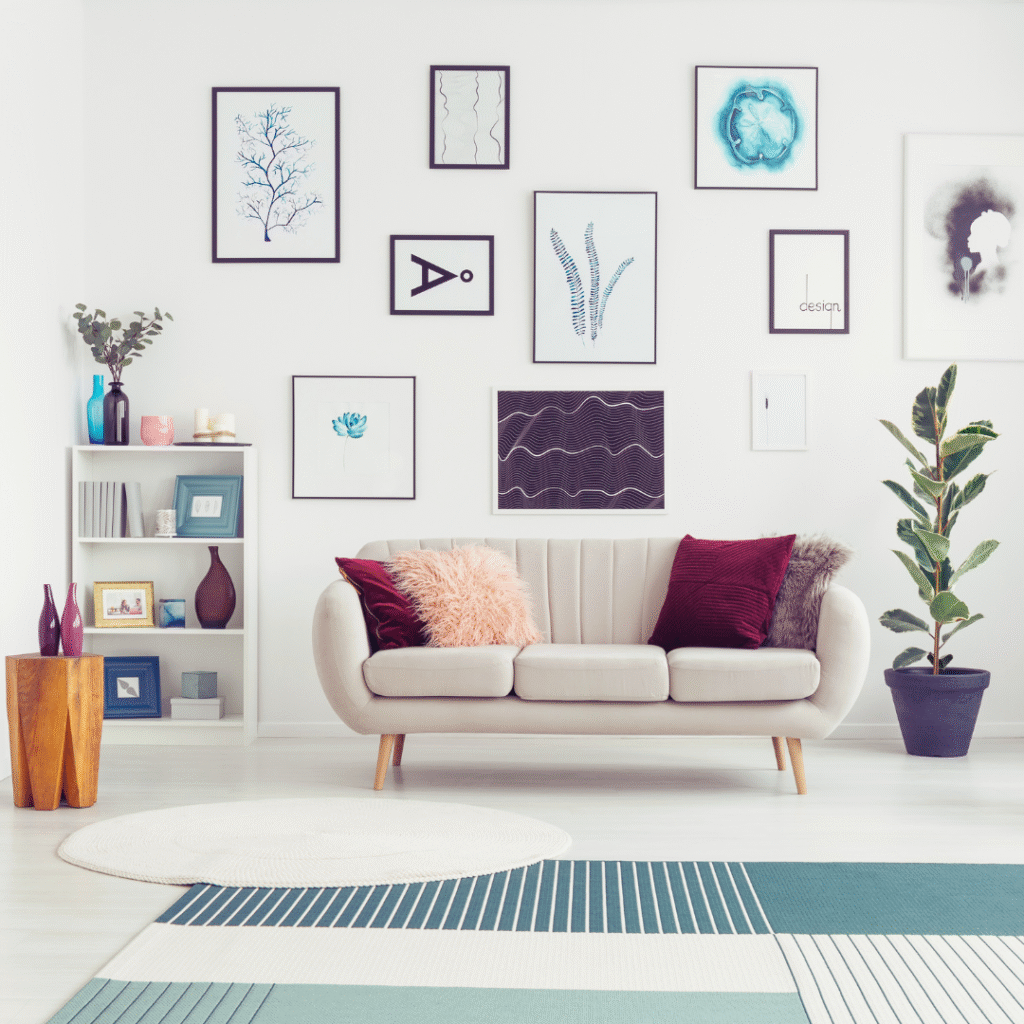
A gallery wall can serve as a striking focal point in any room. Combining personal artwork and photographs allows for self-expression.
When selecting pieces, consider using a mix of sizes and frames to create visual interest. Arrange them in an organic layout to encourage exploration and conversation.
Additionally, displaying personal collections adds character. Whether it’s vintage books, unique sculptures, or handmade ceramics, showcasing cherished items can forge connections and inspire creativity within the space.
Enhancing Ambiance with Paint and Lighting
Color plays a significant role in influencing mood. Choosing the right paint can transform a room entirely. Light, soft colors can create a calming atmosphere, while bold hues may energize the space.
Lighting is equally important. Using soft lighting through lamps or string lights can foster a cozy environment. Dimmer switches allow for adjustable brightness, making it easy to create the perfect ambiance for different activities.
Combining paint and lighting effectively enhances the overall aesthetic and feel of the home.
Integrating Seasonal and Outdoor Elements
Incorporating greenery into interior spaces can bring a refreshing vibe. Houseplants not only purify the air but also add a touch of nature.
Seasonal decor can further enliven a home. Utilizing throw blankets and pillows that reflect seasonal colors or themes can create a warm, inviting atmosphere.
In outdoor spaces, comfortable seating encourages relaxation. Creating an inviting outdoor area with cushions and decor can help bridge indoor creativity with the outside world, allowing for inspiration to flow freely. Additionally, enhancing the garden area with affordable landscape lighting can create a charming atmosphere that can highlight plants and pathways while extending outdoor enjoyment into the evening.
Creating Dedicated Zones for Creativity
Establishing specific areas in the home for various creative activities can enhance productivity and inspiration. These dedicated zones allow individuals to immerse themselves in different types of creative pursuits effectively.
Setting Up a Home Office or Workspace
A well-organized home office or workspace is essential for anyone looking to engage in creative projects. This area should have a sturdy desk, ergonomic chair, and ample wall space for inspiration boards or artwork. It is important to keep art supplies and necessary tools within reach.
Consider adding shelves or storage solutions to keep the space tidy. Bright, natural light helps foster creativity, so maximize windows or use effective lighting solutions. Personalizing the space with color, plants, or motivational quotes can also boost morale and focus.
Designing an Art Studio or Art Space
For those passionate about art making, a designated art studio enhances creativity. This space should include a large worktable where art supplies like paints, brushes, and canvases can be easily accessed. Flooring should withstand spills, while good ventilation is vital for painting or crafting.
Incorporating good lighting—both natural and artificial—will help to see colors accurately. Wall space is valuable for displaying completed work or serving as a canvas for inspiration. Storage solutions such as rolling carts or cabinets keep materials organized and accessible.
Establishing a Cozy Reading Nook
A cozy reading nook promotes relaxation and deep engagement with books. This area can be designed with a comfortable chair, soft throw blankets, and good lighting, such as a floor lamp or wall sconces. Adding shelves for books and a small side table for beverages enhances functionality.
Consider embellishments like plush cushions or a small rug that invites lounging. Positioning the nook near windows can allow for natural light during the day. A well-curated selection of books can inspire and encourage creativity.
Integrating a Coffee Station or Herb Garden
Creating a coffee station can be a delightful addition to any creative space, providing a refreshing break during work. Include a quality coffee maker, mugs, and supplies such as flavored syrups or milk alternatives. Organizing this area stylishly can contribute to the overall ambiance.
An indoor vertical herb garden can complement this space, adding freshness and utility. Herbs like basil, mint, and rosemary can inspire culinary creativity or simply enhance the kitchen’s aroma. Using wall-mounted planters or small pots on a windowsill makes maintenance easy and visually appealing.